Austria is emerging as one of Europe’s most promising markets for commercial and industrial battery energy storage systems (BESS). As the country accelerates its energy transition and increases renewable power capacity, businesses are facing new challenges related to electricity price volatility, grid stability, and energy management.
Battery energy storage is rapidly becoming a critical infrastructure solution that allows companies to optimize electricity costs, increase renewable energy utilization, and improve operational resilience. With supportive policy frameworks and growing renewable penetration, the Austrian market for commercial and industrial energy storage is expected to expand significantly by 2026.
This article explores the key drivers behind Austria’s growing C&I energy storage market and answers some of the most common questions businesses have when evaluating BESS deployment.
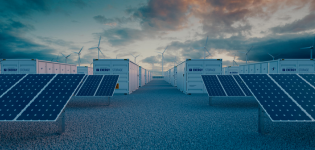
Why Is Austria’s C&I Energy Storage Market Growing So Quickly?
Austria’s rapid growth in energy storage deployment is closely linked to the country’s ambitious renewable energy targets. Through the
Renewable Expansion Act (EAG), the government aims to significantly increase electricity generation from renewable sources such as solar and wind.
While this transition brings major environmental benefits, it also introduces new challenges for the electricity grid. Renewable generation is inherently variable, which means that energy supply does not always align with demand patterns.
At the same time, Austrian businesses are experiencing rising electricity prices and increasing demand charges during peak consumption periods. These factors are encouraging companies to seek smarter energy management strategies.
Battery energy storage systems offer a powerful solution. By storing electricity during periods of low demand and releasing it during peak demand, BESS can help stabilize energy costs while improving grid flexibility.
As renewable energy capacity continues to expand across Europe, energy storage will become increasingly essential for balancing generation and consumption.
How Can BESS Help Businesses Reduce Electricity Costs?
One of the primary motivations for deploying battery storage in commercial and industrial facilities is the ability to reduce electricity costs through peak shaving and energy optimization.
Electricity tariffs for businesses often include significant demand charges based on peak power usage. When facilities draw large amounts of power during peak hours, they face higher electricity bills.
Battery energy storage can help mitigate this issue by discharging stored energy during high-demand periods, effectively reducing peak grid consumption.
This strategy is known as
peak shaving, and it can significantly lower electricity costs for energy-intensive industries such as manufacturing, logistics, and data centers.
In addition to peak shaving, energy storage also enables
time-of-use (ToU) optimization. Electricity prices fluctuate throughout the day depending on supply and demand conditions. Businesses can charge batteries when electricity prices are low and discharge them when prices rise, improving overall energy cost efficiency.
For many companies, the combination of peak shaving and time-of-use optimization delivers immediate financial benefits while also improving energy flexibility.
How Does BESS Improve Solar Energy Utilization?
Austria has seen strong growth in solar photovoltaic (PV) installations in recent years. Many commercial and industrial facilities are installing rooftop solar systems to reduce reliance on grid electricity and lower carbon emissions.
However, solar generation does not always align with business energy consumption patterns. Excess solar power generated during midday may be exported to the grid or curtailed if the grid cannot absorb the additional energy.
Battery storage solves this challenge by capturing surplus solar generation and storing it for later use. This stored energy can then be discharged during evening hours or periods of higher electricity demand.
With integrated PV and battery storage systems, businesses can significantly increase the self-consumption rate of their solar energy. In some cases, solar utilization can exceed
90%, greatly improving the return on investment for PV installations.
This synergy between solar generation and battery storage is one of the key drivers behind the growing adoption of energy storage systems across Europe.
Can BESS Provide Backup Power for Businesses?
Beyond cost optimization, battery storage also enhances energy resilience by providing backup power during grid outages.
For businesses that rely on uninterrupted electricity supply—such as manufacturing plants, hospitals, and data centers—even short power disruptions can result in significant operational losses.
Battery energy storage systems can supply instant backup power when grid failures occur. Unlike traditional diesel generators, battery systems respond immediately and operate without fuel consumption or emissions.
This capability allows businesses to maintain critical operations while also supporting sustainability goals and reducing reliance on fossil-fuel-based backup generators.
What Is the Typical ROI for C&I Battery Storage in Austria?
Return on investment is one of the most important considerations for companies evaluating energy storage deployment.
In Austria, the payback period for commercial and industrial battery storage varies depending on the application scenario and energy usage profile.
Typical payback ranges include:
Peak shaving applications:
3–5 years
PV + storage systems:
4–7 years
Industrial facilities with high nighttime consumption:
3–4 years
EV charging infrastructure combined with storage:
2.5–4 years
These timelines can vary depending on electricity tariffs, solar generation capacity, and the specific operational strategy used for the battery system.
As electricity prices remain volatile across Europe, many businesses are finding that energy storage investments deliver increasingly attractive financial returns.
Can Energy Storage Participate in Austria’s Electricity Markets?
Beyond energy cost optimization, battery storage systems can also generate revenue through participation in electricity markets.
In Austria and across the broader European power market, energy storage can provide valuable grid services that help maintain system stability.
These services include:
Frequency Containment Reserve (FCR)
Automatic Frequency Restoration Reserve (aFRR)
Manual Frequency Restoration Reserve (mFRR)
Distribution system flexibility services
By participating in these markets, energy storage systems can receive financial compensation for supporting grid operations.
However, successful participation requires advanced system integration. Battery systems must be equipped with intelligent
Energy Management Systems (EMS) capable of communicating with grid operators and virtual power plant platforms.
Through aggregation technologies, multiple distributed storage assets can be coordinated to deliver reliable grid services at scale.
How Is Distributed Energy Storage Expanding Across the Energy System?
While commercial and industrial energy storage currently represents the fastest-growing segment in many European markets, distributed storage technologies are expanding rapidly across residential energy systems as well.
The increasing adoption of rooftop solar panels by homeowners has created a growing demand for intelligent storage systems that can store excess solar energy and improve household energy independence. Many households are now investing in
home battery storage solutions to optimize electricity consumption, reduce reliance on the grid, and maintain power during outages.
Similar to commercial storage applications, residential battery systems allow homeowners to store electricity when production exceeds demand and use it later when energy consumption increases. This not only improves solar self-consumption but also contributes to greater stability across the broader electricity network.
In the future, distributed residential storage systems may also participate in virtual power plant networks, allowing thousands of small batteries to collectively support grid stability and renewable integration.
What Does the Future Hold for Austria’s Energy Storage Market?
Austria’s energy storage market is expected to grow rapidly as the country continues to expand renewable generation capacity and modernize its electricity infrastructure.
Battery energy storage will play a central role in balancing variable renewable energy, reducing grid congestion, and enabling flexible energy consumption patterns across industries.
For commercial and industrial businesses, BESS provides a powerful combination of cost savings, operational resilience, and new revenue opportunities through electricity market participation.
As technology continues to evolve and energy markets become more decentralized, energy storage will become an increasingly essential component of Austria’s sustainable energy future.
